
What Does the Tree of Life Mean? Symbolism Across Cultures
The tree of life stands for connection, growth and continuity, and appears in traditions from Buddhism to Norse myth. Here is what it means and why it makes a meaningful gift.
Key facts
- The tree of life is a widespread symbol of connection between all living things, growth, and the cycle of life.
- It appears in many traditions, including Norse mythology (Yggdrasil), Celtic art, the Hebrew Bible and Christian scripture, and Buddhism (the Bodhi tree).
- In Buddhism, the Buddha is said to have attained enlightenment while meditating beneath the Bodhi tree.
- As a gift it is often chosen for new beginnings, family milestones and remembrance.
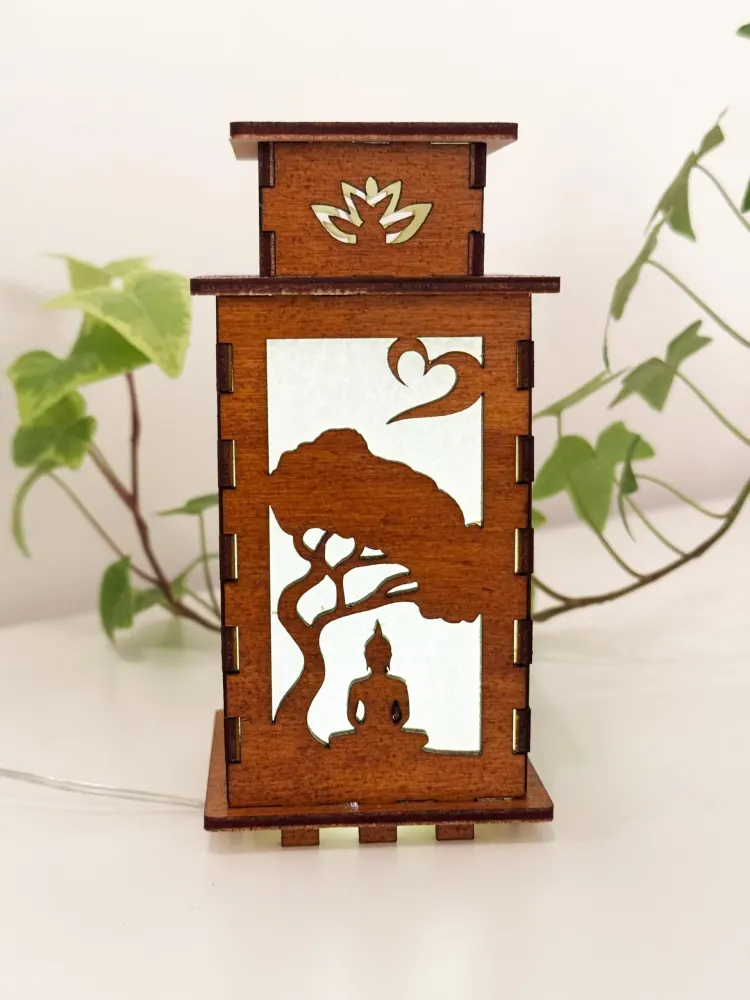
What does the tree of life symbolise?
Across traditions the tree of life tends to carry the same handful of ideas: the interconnection of all life; growth from small beginnings; strength and grounding (the roots); reaching for something higher (the branches); and the cycle of life, death and renewal as the tree sheds and regrows its leaves.
- Connection between all living things
- Growth and personal development
- Family, ancestry and continuity
- Strength and grounding
- Renewal and the cycle of life
What does the tree of life mean in different cultures?
A brief, simplified overview (each tradition has far more depth than fits here):
- Norse mythology: Yggdrasil, the immense tree whose branches and roots connect the nine worlds
- Celtic art: a tree whose roots and branches interlace in a circle, often read as harmony between earth and sky
- Hebrew Bible & Christianity: the tree of life in the Garden of Eden, and again in the Book of Revelation
- Buddhism: the Bodhi tree, under which the Buddha is said to have attained enlightenment
- Many folk traditions: family trees and ancestral trees linking generations
What is the link between the Buddha and the tree?
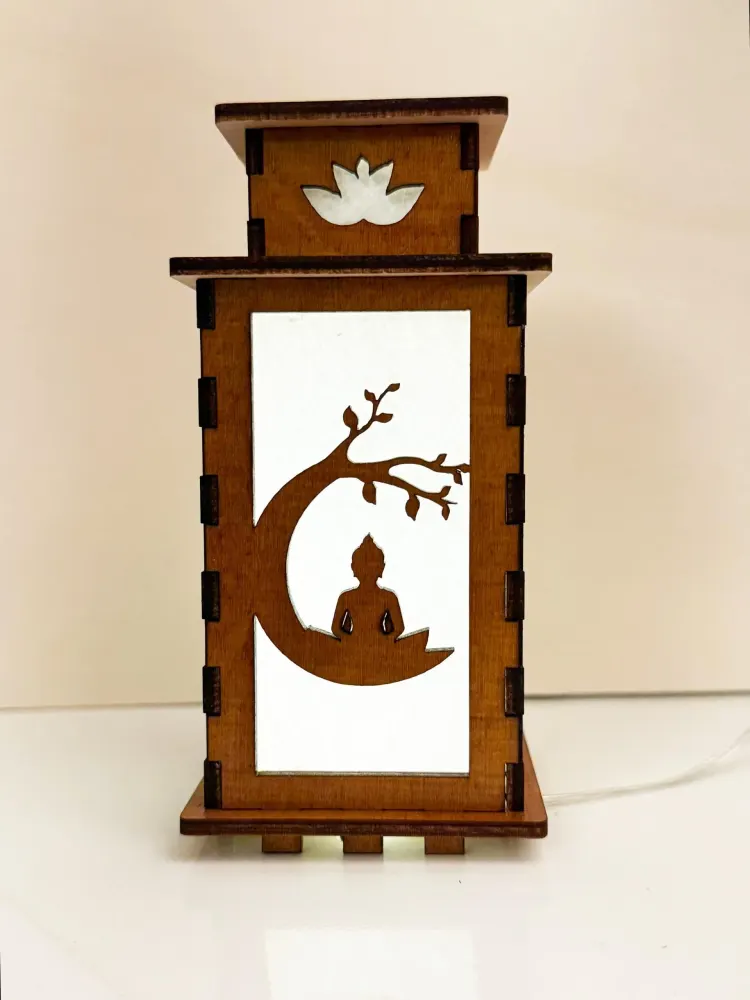
According to Buddhist tradition, Siddhartha Gautama meditated beneath a fig tree at Bodh Gaya, in present-day India, and attained enlightenment there, becoming the Buddha. That tree became known as the Bodhi tree (“tree of awakening”). This is why images of the Buddha seated beneath a great tree are so common, and why our Buddha Tree of Life lantern and Buddha under the Tree of Life lamp combine the two.
Why is the tree of life a popular gift?
Because it fits so many moments without being tied to one religion. People give it for weddings and anniversaries (two lives growing together), new babies and housewarmings (new roots), graduations (growth), and in sympathy (the cycle of life and remembrance). It is a quiet, positive symbol that suits most homes.
For gifting ideas by occasion, see our housewarming gift guide and new baby gift guide.
Where should a tree of life lamp go?
Anywhere you want a calm focal point: a meditation corner, a bedside table, a bookshelf or a hallway. Lit from inside, the branches cast soft shadows, which suits the symbol well. If you are setting up a space for practice, our meditation and yoga lighting guide has a simple layout.
Featured Wooden Lamps
Frequently Asked Questions
What does the tree of life mean spiritually?
Direct Answer: It represents the connection of all living things, growth, grounding and the cycle of life and renewal.
Is the tree of life a religious symbol?
Direct Answer: It appears in many religions and mythologies, but it is also widely used as a non-religious symbol of family, growth and connection.
What is the Bodhi tree?
Direct Answer: The fig tree at Bodh Gaya under which, according to Buddhist tradition, the Buddha attained enlightenment.
Is a tree of life lamp a good gift?
Direct Answer: Yes. It suits weddings, new homes, new babies, birthdays and sympathy gifts because its meaning is positive and universal.
Enjoy this guide? Add Artiviesta as a Preferred Source to see our studio guides and lamp releases in Google.