
Sensory-Friendly Lighting at Home: Calm, Warm and Predictable
Bright, flickering or cold light can be overwhelming for some people. Simple ways to make home lighting calmer, warmer and more predictable.
Key facts
- Many people, including some autistic people and people with sensory processing differences, find bright, flickering or harsh light uncomfortable.
- Warm, steady, indirect light at low brightness is usually experienced as calmer.
- Predictability helps: the same light, in the same place, at the same point in the bedtime routine.
- Everyone is different; let the person whose space it is choose what feels right.
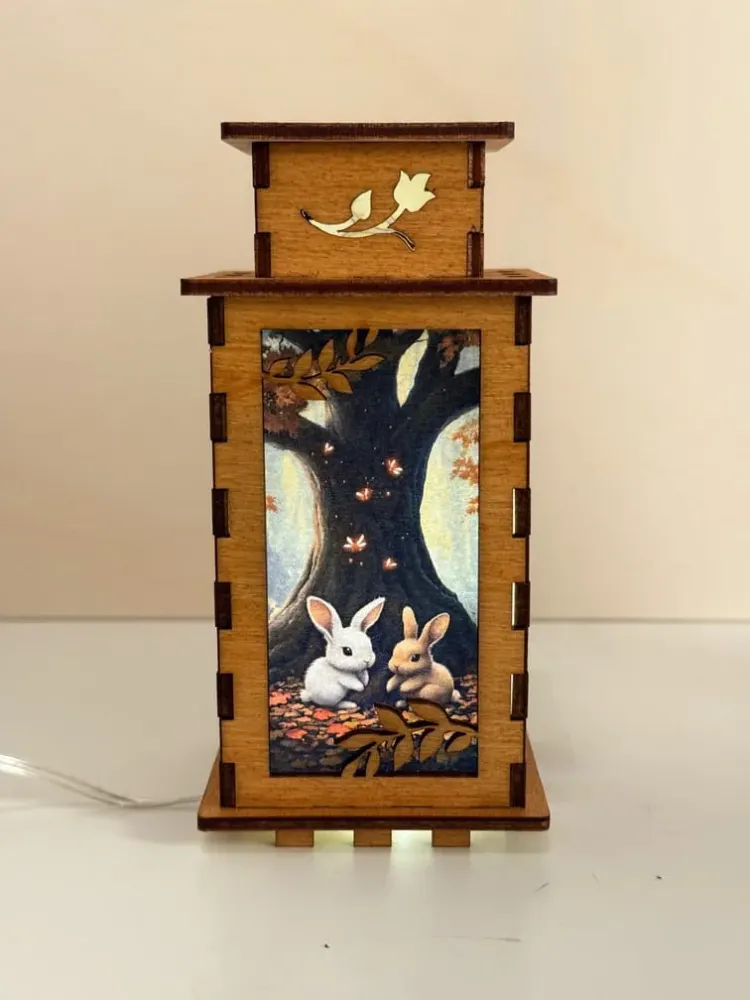
What makes lighting “sensory-friendly”?
Usually: no flicker, no glare, warm rather than cold colour, adjustable or low brightness, and indirect rather than pointing straight at the eyes.
Practical changes that help
Small adjustments make a big difference:
- Swap cool-white bulbs for warm white (2,700K or lower)
- Use lamps at table height instead of bright ceiling lights in the evening
- Avoid colour-cycling and flashing lights in sleep spaces
- Use a steady, dim night light so the room never goes completely dark if darkness is distressing
- Keep the light in the same place every night for predictability
Can a familiar image help?
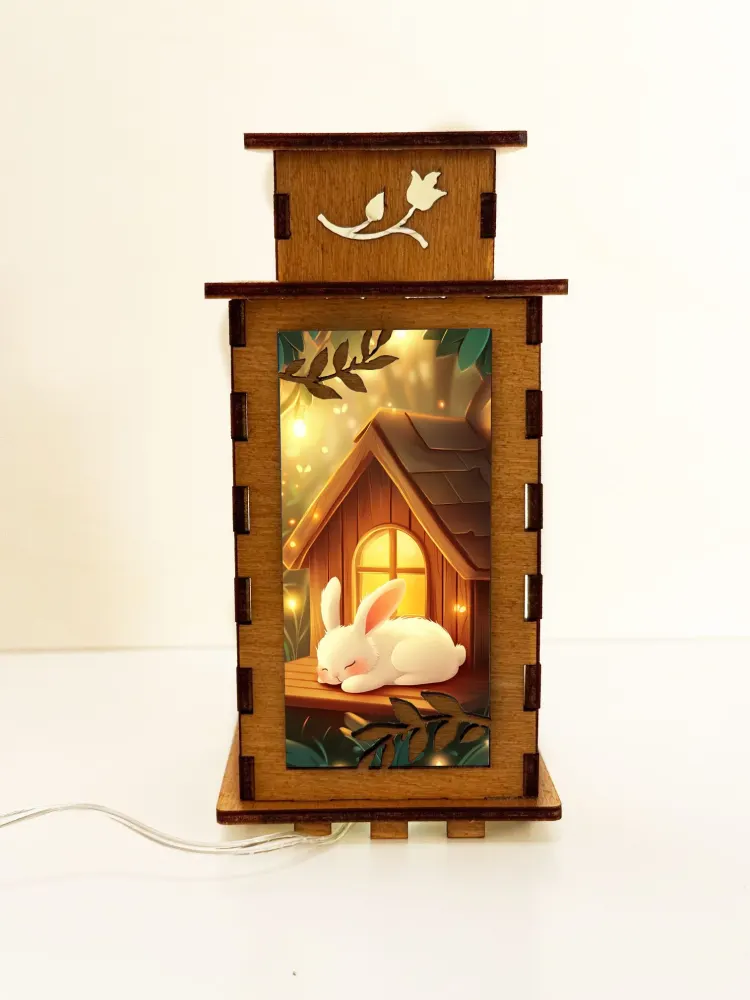
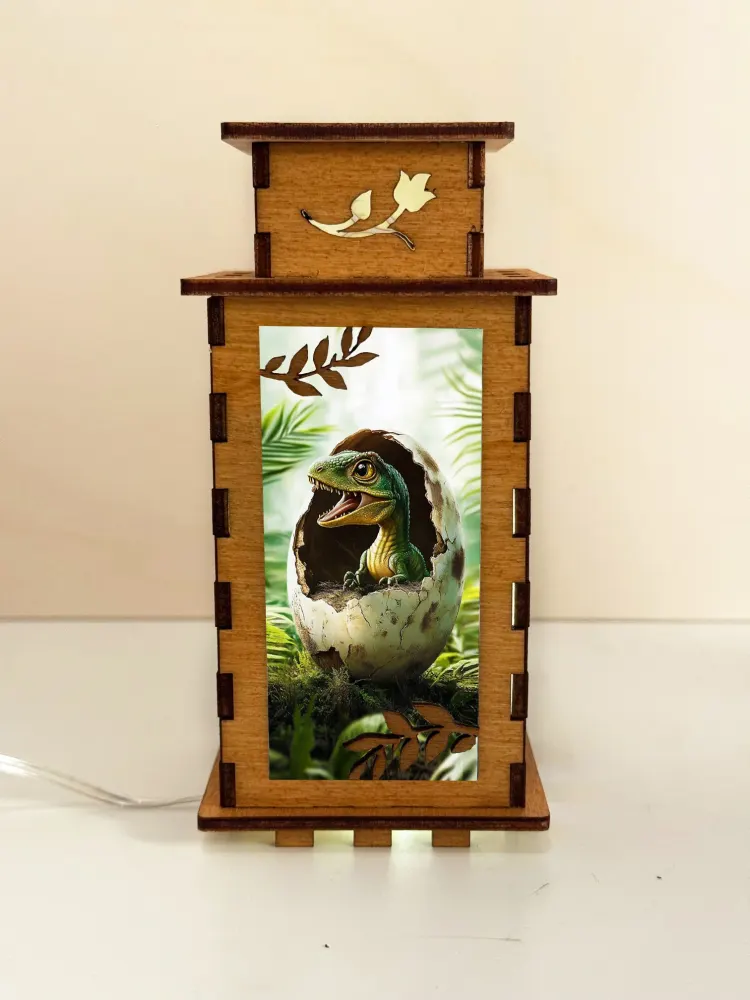
For some children, a favourite animal or character makes a light feel safe and theirs. A steady, warm lamp like Two Bunnies Under a Tree or a dinosaur can become a predictable part of bedtime. See choosing a kids’ night light.
Featured Wooden Lamps
Frequently Asked Questions
What lighting is best for sensory sensitivity?
Direct Answer: Warm, steady, indirect and low-brightness light, with no flicker or glare.
Are LED night lights flicker-free?
Direct Answer: Good-quality LEDs on a steady USB supply give constant light; avoid colour-cycling or flashing modes in sleep spaces.
Is this medical advice?
Direct Answer: No. These are general home ideas; for clinical concerns, speak to an occupational therapist or GP.
Enjoy this guide? Add Artiviesta as a Preferred Source to see our studio guides and lamp releases in Google.